
“Humane” Labels
Below are some brief explanations of the issues with some alternative and “humane” labels. There is much more to the problems than what we have here, but we wanted to offer an overview of each label to help concerned consumers make better choices and to help advocates with responses to questions. For more in depth information on the humane hoax, read the Articles.
Cage-Free
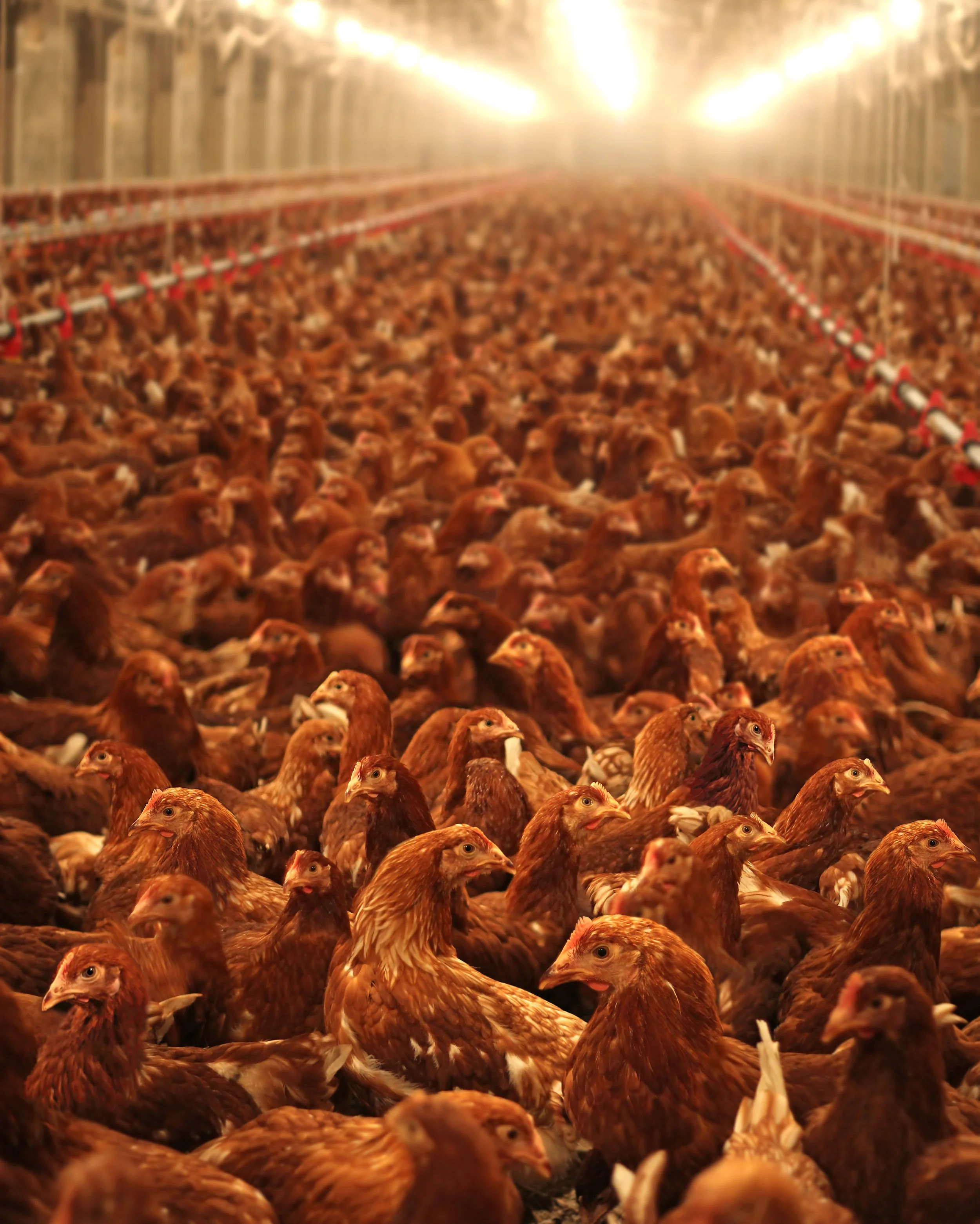
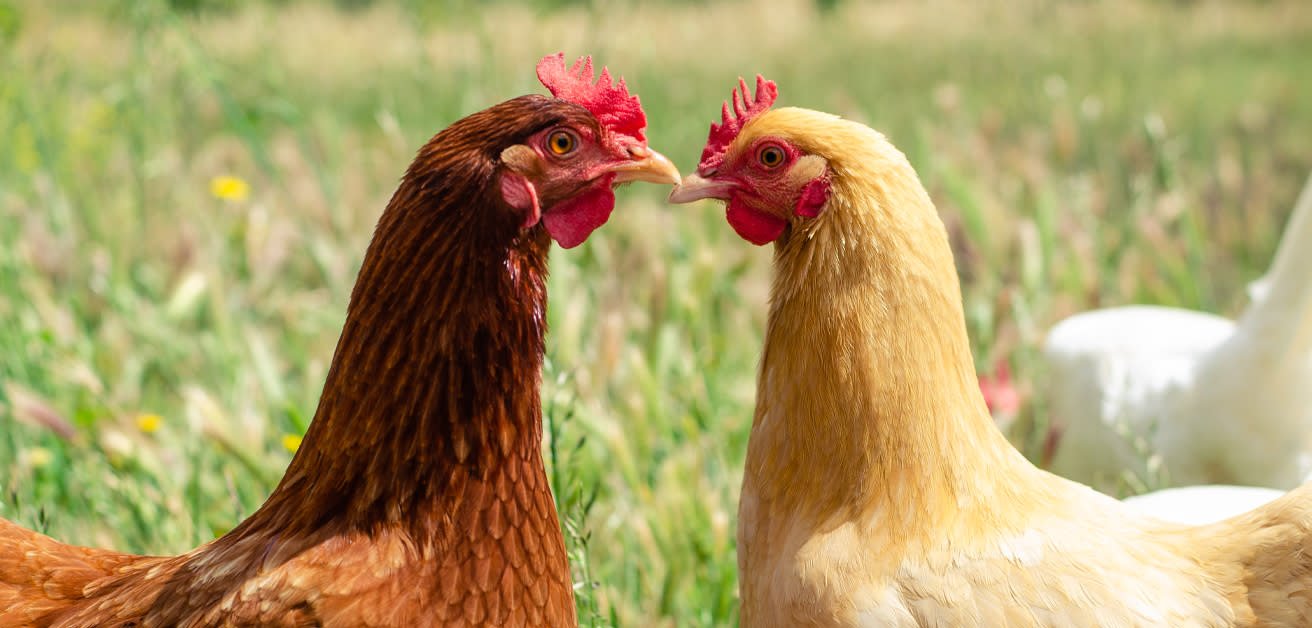
Cage-free refers to chickens who are bred for egg production and are not kept in cages. Cage-free egg operations cram hundreds or thousands of hens in what are called floor systems. On average, each bird has only 1-1.5 square feet of space.
Similar to how chickens are breed and raised for their flesh, hens are overcrowded in windowless warehouses without sunlight or space for natural behaviors. Hens are still cruelly debeaked with the tips of their tender beaks sliced off without painkillers. They can also suffer from additional problems such as higher rates of keel bone fractures and respiratory infections, causing further suffering.
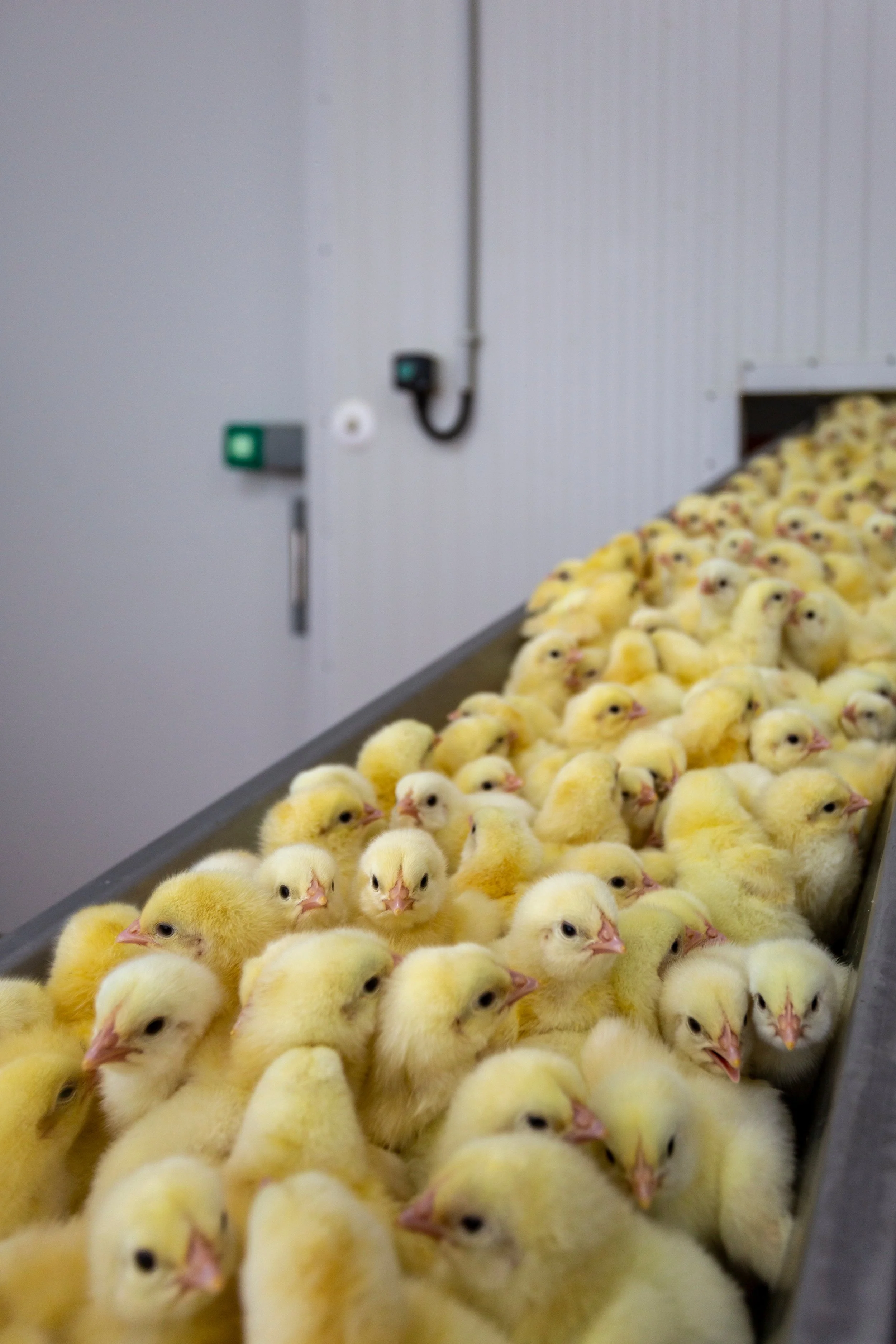
All the hens come from heartless hatcheries and there are no “humane” hatcheries. Chicks are hatched without the comfort of nest and without the love and protection of their mothers. They come into the world crowed in metal drawers and are thrown onto conveyer belts and metal machinery. Male chicks born to egg laying hens don’t grow fast enough to be profitable for meat, so they are tossed alive into the garbage to suffocate or ground up alive in high-speed grinders called maceration machines. Others are gassed with carbon dioxide or argon gas. Still others are sucked into high-speed vacuums and electrocuted in a metal box.
After living a short life in an overcrowded indoor facility, a hen will go to a brutal slaughter as her egg production wanes after just a couple of years. None of this changes with a cage-free label.
Free-Range or Pasture Raised
Free range or pasture raised hens are kept in the same windowless warehouses as cage-free birds. There is generally very little difference, other than having some “access” to the outside for some time of the day. This is often just a small dirt, mud, or concrete patio connected to the building and the door may only be open for a few minutes or a few hours a day. There is no regulation on what the outdoor space looks like or how long the birds have access to it. Often, only a few chickens of the tens of thousands of birds in the building are even able to access the outdoor area. These unappealing outdoor spaces do not come close to a natural, comfortable setting for the birds.
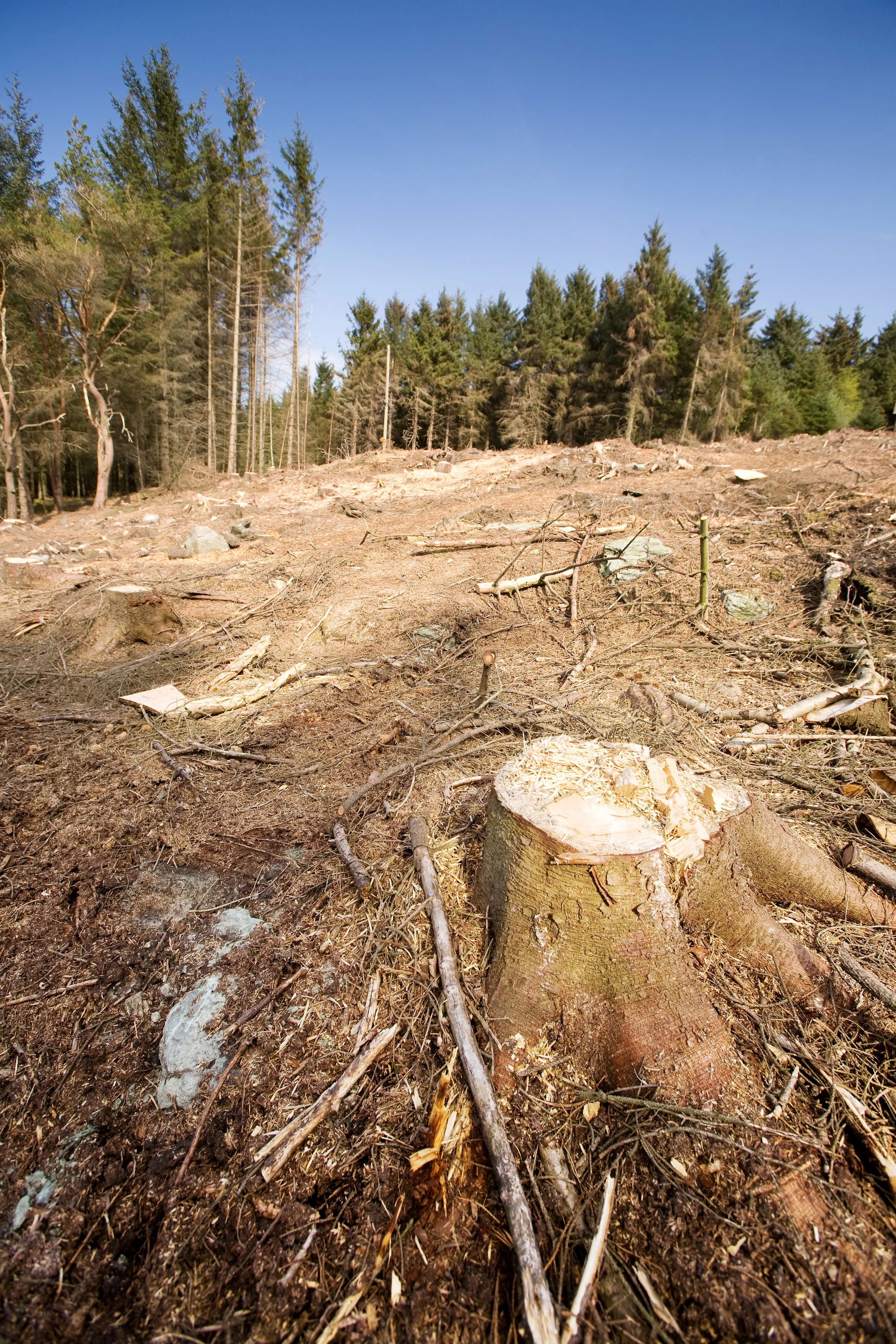
Environmentally, whenever there is a transition to a truly free-range system, like a pastured pig system, the same amount of animals, or more often, a smaller number of animals, will now use several more acres of land. Free-range and organic farms where the animals are given more outdoor space require more land for the same amount of animals, so as the demand for these alternative products continues to grow, so will the need to destroy forest, wetland, prairies, and other wild areas to accommodate “free-range” farms. As demand for free-range or local animal-derived foods increases, so does the potential to increase the damage to biodiversity, as more open spaces would be required to accommodate the animals.
Certified Humane
The Certified Humane label might sound desirable, but don’t be duped, there simply is no humane way to slaughter an animal, which makes this label problematic from the start. Worse, companies whose products bear this label have been found to be violating the regulations to be awarded the label and continue to abuse animals in cruel and inhumane ways. The label was created by a nonprofit called Humane Farm Animal Care (HFAC), and producers must pay for the privilege of using the label. Most of HFAC’s revenue in past years came from certification fees paid by producers, creating a conflict of interest because stricter enforcement could drive them away and reduce income, encouraging HFAC to be lenient.
According to a report by Farm Forward, Certified Humane standards are widely viewed by farmed animal welfare experts as only minimally higher than standard industry practices. That report goes on to say that when a farm is audited, the farms are given advance notice so what is presented may not be the everyday practices.
Even worse, other investigations have found that certain companies with products that are labeled Certified Humane are deceiving customers by not following the standards of that label. In some cases, evidence of severe and massive animal cruelty has been found, making this label yet another meaningless attempt by the industry to make consumers feel better about buying animal products.
This label also fails to disclose the horrific standard practices embedded in all animal farming, including forced impregnation, separating mothers from their babies, painful mutilations, and the killing of male chicks and male calves in the egg and dairy industries. By omitting these realities, Certified Humane once again deceives consumers. Vegan is the only truly humane option.
American Humane Certified
The American Humane Society (AHS) is the organization behind this label, which touts having created the “first welfare certification program in the United States to help ensure the humane treatment of farm animals.” Animal facilities are required to meet certification guidelines to be awarded the Animal Humane Certified label which the AHS asserts is backed by a scientific advisory committee consisting of university professors, animal welfare experts, and veterinarians. Welfare standards like air and water quality, lighting and heating have been created for different categories of animals, including laying hens, broiler chickens, dairy cows, dairy sheep, pigs and beef cows.
So what’s the problem? For starters, it bears repeating that there is no humane way to slaughter an animal. That should be enough to convince people that this label is little other than a marketing ploy to prop up the meat and dairy industry. If you look closely, AHS’ scientific advisory committee bares a glaring red flag: many of the members have direct ties to the animal agriculture industry. That contradiction of allegiances means there’s little chance these experts could create or support measures that would go against what the industry wants, namely more people buying their products. And what would make them buy those products? A label that takes away the guilt from their purchases but does little to eliminate the inherent cruelty necessary to make a profit on the products.
And while the AHS has set standards for this certification, according to Consumer Reports, farms don’t have to meet all of them. In fact, farms only have to meet 85 percent of the criteria when inspected, but consumers have no way of knowing which criteria they met – and which they didn’t. What’s more, this certification allows the standard industry practices of painful alterations to animals without anesthesia. This includes procedures like castration, ear cutting to identify pigs, burning the beaks off chickens and turkeys and the horns off cows, and more.
Take, for instance, Butterball, the largest producer of turkey products in the United States. Its turkey meat products carry the American Humane Certified label. Yet the company doesn’t have any requirement for outdoor access, and birds undergo painful body mutilations like debeaking and detoeing. The turkeys have also been genetically modified so that they grow massively overweight, causing their bones to snap under the weight of their bulk and leaving the bird crippled and in chronic pain. These “certified” turkeys – and the billions of other animals living in farms that have paid to use this label – endure the same harsh conditions and treatments as non-certified turkeys. And in the end, they face the same horrific fate in a slaughterhouse. The only truly humane option is vegan.
Sources:
https://www.americanhumane.org/what-we-do/certify-humane-treatment/farms/
https://www.farmforward.com/label-guide/
https://www.consumerreports.org/food-labels/seals-and-claims/american-humane-certified
Organic
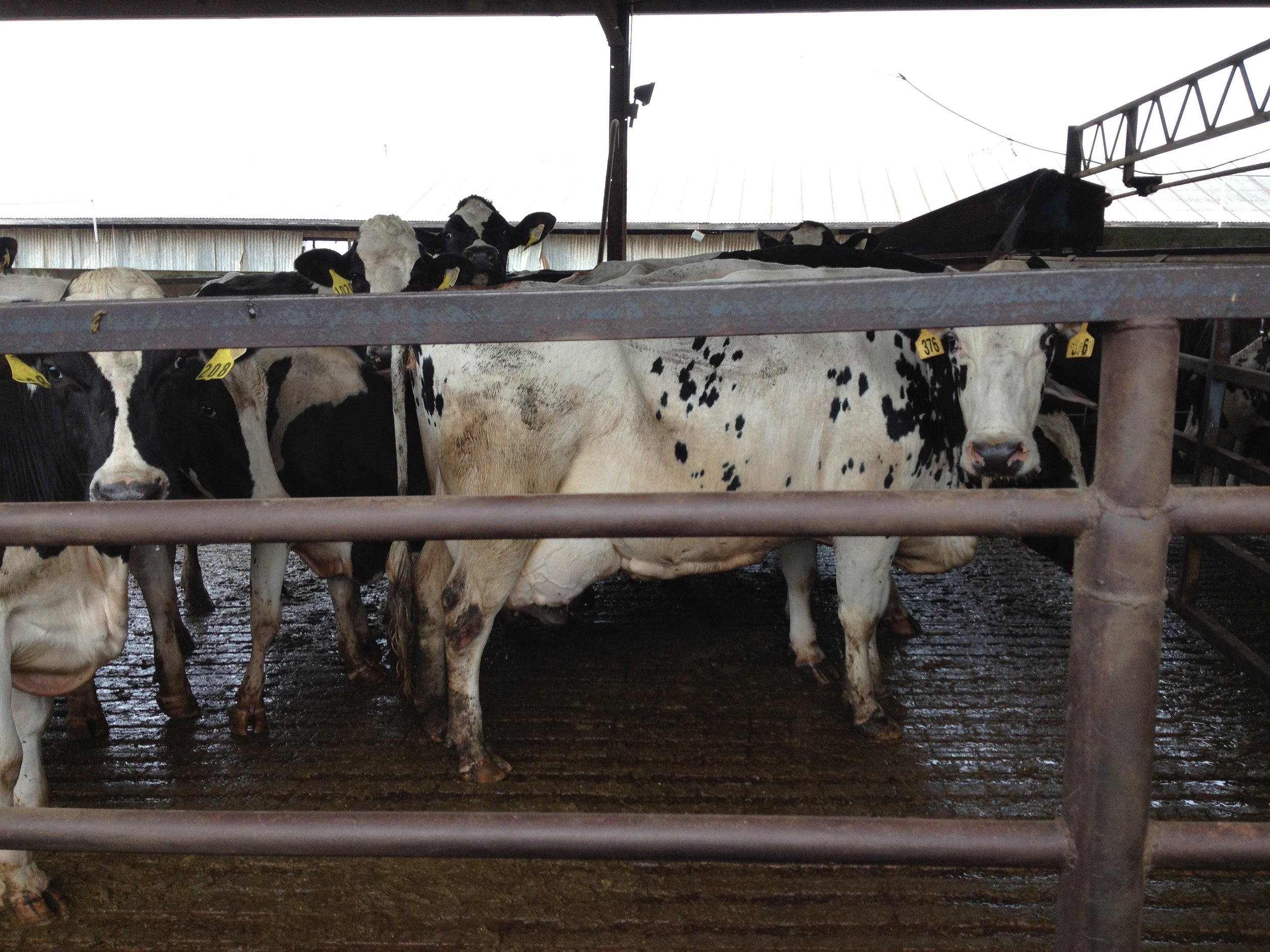
When it comes to animal agriculture, the only difference between organic and conventional production is the feed and grain fed to animals must be organic and animals are (mostly) drug-free. The organic label is focused on consumer’s health and environmental impact—humane requirements are minimal. There is some regulation on animals having access to the outside, depending on the species of animal, but this is very industry friendly. For instance, generally cows must have access to the outside, which they often already do, yet chickens are not required to have outdoor access, as most chicken facilities do not give the birds space outside. All the environmental destruction associated with animal agriculture—climate disruption, water waste, water pollution, air pollution, etc. still apply to organic animal agriculture.
In some instances, the organic label can be even worse for the animals. Dairy cows are often sick from the intensive, dirty conditions and can contract painful mastitis, an infection of the udder that can cause open sores, bleeding, and puss discharge. Mastitis is treatable with antibiotics and other medication, but in organic production, producers are not allowed to give the animals vital pharmaceuticals that can ease pain and relieve suffering. Animals with severe cases of mastitis, in extreme pain, are milked relentlessly in organic dairy operations.
Grass Fed
Grass fed beef and dairy can be even worse for the environment than conventional production. There are numerous impacts of grass fed beef and dairy, but the main problem is that it takes many months longer for cows grazing on grass outdoors to reach “market weight” (a profitable weight to slaughter them) compared to cows raised on a conventional feedlot. This is because they are able to move more (get exercise) and they take in less calories from grass, so it takes longer for them to reach a weight that is profitable for slaughter.
Because of the longer lifespan (by several months), in order for grassfed beef to be widely available, the industry would need to have more cows alive at any given time, therefore producing more greenhouse gas emissions. Also, feeding cows grain as they are fed in conventional production suppresses their natural digestion process, which produces a lot of methane (a greenhouse gas). When they eat a more natural diet of grass, they actually produce more methane. Grassfed cows also drink (“waste”) more water.
Regenerative Grazing / Holistic Management / Intensive Rotational Grazing
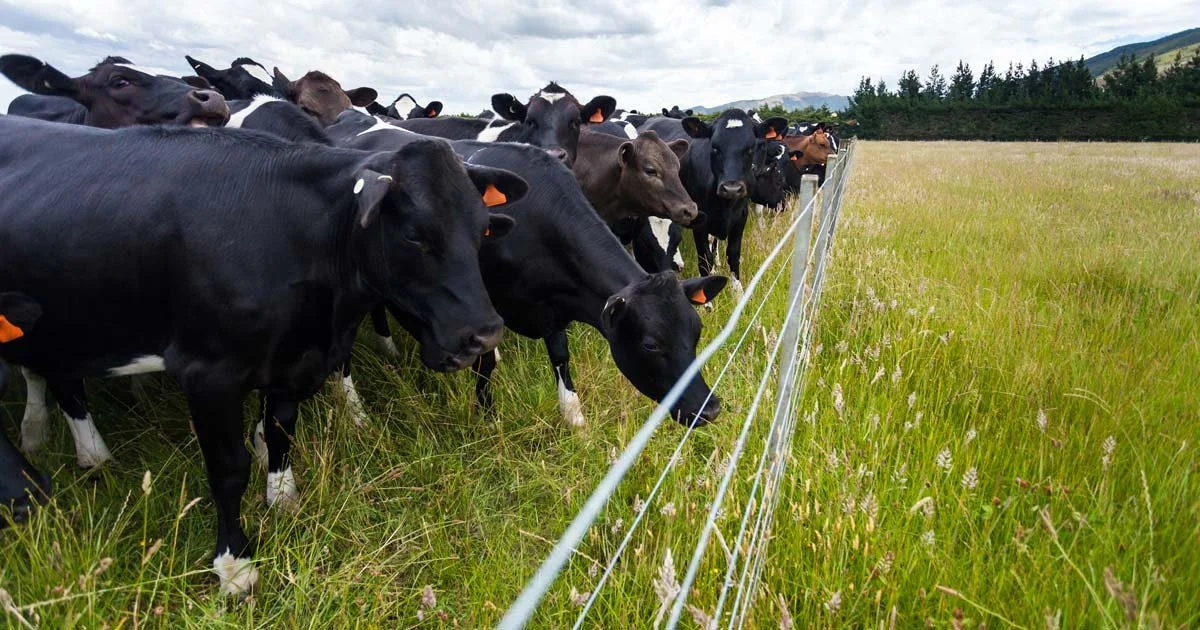
Like free range and pasture raising chickens and pigs, regenerative grazing methods for cows and other ruminants use fewer animals in a much larger area of land, so scaling up is impossible to feed the now 8 billion people on the planet. After four decades of trials and studies, there is no peer-reviewed science that shows that this management approach is better than conventional grazing systems. The vast majority of experimental evidence does not support the claims of enhanced ecological benefits despite being rigorously evaluated by numerous investigators at multiple locations and in a wide range of precipitation zones over a period of several decades. This method of farming does not increase soil carbon sequestering, does not increase plant or animal production, does not improve surface-water hydrology conditions.
Only under very specific and hard to acquire conditions is there actually carbon sequestration from this method, but even then, it’s time limited—it only lasts for a short period of time, and its easily reversible and doesn’t offset the methane emissions coming from the cow.
Regenerative grazing also requires extensive fencing, which disrupts wildlife migration and wild animal movement patterns. We do not need to graze cows and in fact, this is one of the most detrimental and destructive human activities on the planet, no matter the method or the label on the product. The best and most ecological use for land is to rewild—let plants and trees grow and sequester carbon naturally.